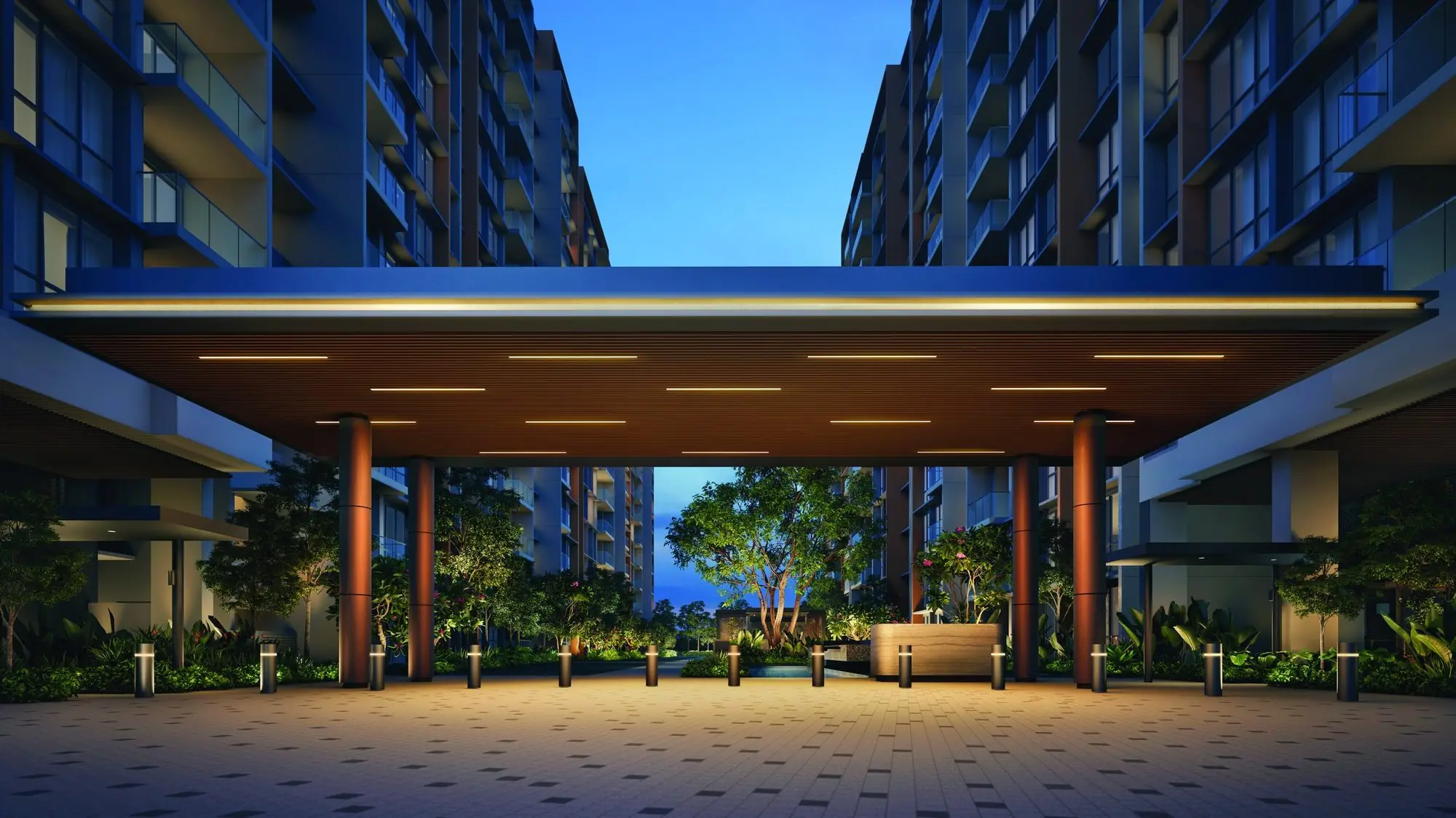
Rivelle EC bounce units: October 2026 update and the exact procedure
News updateWritten by Jeffery Ng · Published · 7 min read
Rivelle is fully sold and no returned units are open. Here is how a unit can come back under the developer's own rules, what happens to it next, and the exact steps to book one if it does.
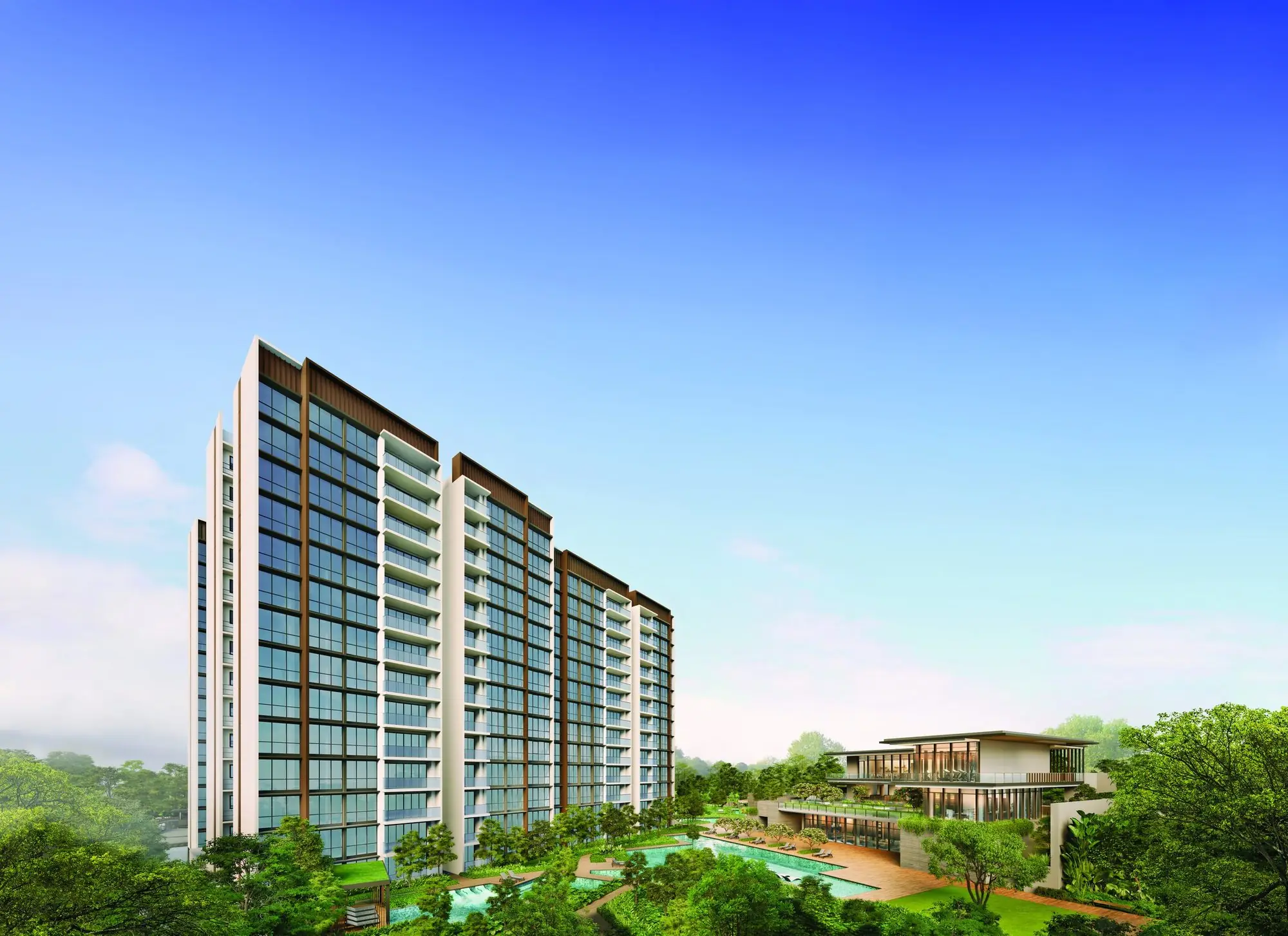
Update, 9 October 2026. Rivelle is fully sold, and as of 6 October 2026 no returned units are open. The live status for Rivelle and every other EC sits on the bounced units board at singaporeec.sg, which is updated weekly. This article explains what has to happen for a Rivelle unit to come back, what the developer does with it, and the exact booking steps, taken from the developer's own Rivelle Eligibility Booklet. The bounce units page keeps the same procedure as a step-by-step reference table.
Nothing here predicts that a unit will appear. It describes the procedure so that, if one does, you can say yes on the day it is offered.
Where things stand in October 2026
Rivelle sold 529 of its 572 homes on its first day of sales, 21 March 2026, and was fully sold on 24 April 2026, as reported by EdgeProp. The showflat has closed. The developer, Sim Lian Group, has no unsold stock to release.
On the singaporeec.sg board, Rivelle is listed as a potential bounce with no units available. That is the normal state for a sold-out EC between bounces: nothing is open, and the list of ready buyers is what matters when something changes.
If you need a home in 2026 or 2027, treat a Rivelle bounce unit as a possibility to watch, not a plan. The same board lists the ECs that still have units or are launching now.
How a Rivelle unit can come back
The Rivelle Eligibility Booklet sets out the routes by which a booked unit returns to the developer. There are three.
1. The buyer does not exercise the Option to Purchase. At booking, a buyer pays an option fee of 5 percent of the price and receives an Option to Purchase. The buyer then has to sign the Sale and Purchase Agreement within three weeks of the agreement and title documents being delivered to them or their solicitor. If an eligible buyer decides not to exercise, 25 percent of the booking fee is forfeited, which is 1.25 percent of the price. On a S$1.9 million unit that is S$23,750. Painful, but it is the cheapest exit in the whole process, which is why most bounces at any project happen at this stage, in the weeks after a booking.
2. The developer cancels the booking after screening. The booklet reserves the developer's right to reject or cancel a booking if the applicant is found ineligible, or becomes ineligible, after further detailed screening. Households must stay eligible from the application date onwards. One rule catches people out: a family nucleus may hold only one booking at a time. Booking a second EC or an HDB flat while holding a Rivelle option means every booking is cancelled with a financial forfeiture.
3. The purchase is annulled after the Sale and Purchase Agreement. This is rarer and more expensive for the buyer. If an instalment stays unpaid for more than 14 days and is still unpaid when a 21-day notice expires, the developer may annul the agreement and forfeit 5 percent of the purchase price. The developer may also terminate and forfeit 5 percent if a change in the buyer's eligibility makes them ineligible, unless the buyer can continue by forming another family nucleus.
What the developer does with a returned unit
A returned unit goes back into Sim Lian's stock and is offered again through its appointed marketing agencies, of which Huttons is one. Three things follow from the rules.
There is no public ballot. The launch ballot only set the queue for the first day of booking. The booklet describes sales outside a ballot as walk-in selection, first come, first served, for buyers who meet the eligibility criteria as assessed by the developer. In practice that means the first ready buyer the agencies reach.
It is not advertised. Bounce units are released quietly to the appointed agencies. They do not appear on the developer's website. This is why registering your exact requirements matters more than registering early.
The price is the developer's prevailing price. There is no fixed discount on a returned unit, and nothing in Rivelle's sales record suggests one. Expect the price for that stack and floor to be at or around the launch list, confirmed on the day.
The second-timer cap no longer applies. During the first month after the public launch, the developer could sell no more than 30 percent of units to second-timer buyers. That cap lifted one month after the 21 March 2026 launch, so first-timers and second-timers now stand on equal terms for any returned unit. Every other EC condition still applies in full.
The booking procedure, step by step
If a unit matching your registration comes back, this is what the day and the following weeks look like under the booklet.
Step 1: eligibility check. You submit the application form, the original documents for everyone listed, and the CPF Housing Grant form if you are claiming one. Submit the grant form at booking; the booklet recommends it to avoid delays, and it lets you use the grant towards the next payment.
Step 2: pay the 5 percent option fee. The fee is paid at booking by cheque, cashier's order, telegraphic transfer, FAST or MEPS, or GIRO, and is offset against the price. If it is not paid at the point of booking, the developer cancels the booking. You receive the Option to Purchase. From this moment, neither the unit nor the payment scheme can be changed.
Step 3: appoint a solicitor. The booklet requires every buyer to appoint one. Have a firm in mind before the call comes.
Step 4: sign the Sale and Purchase Agreement. You have three weeks from the delivery of the agreement and title documents to sign it. URA sets the three-week option period to make buyers commit only when they have the means.
Step 5: pay the next 15 percent. The balance of the down payment is due on the date you exercise the option or nine weeks from the option date, whichever is later.
Step 6: Buyer's Stamp Duty. Stamp duty is assessed on the signed agreement and is payable to IRAS within 14 days of signing.
Step 7: progress payments already due. Construction is under way, with completion expected by 30 June 2030. Under the normal payment scheme, instalments are tied to construction stages, so any stage the project has already passed falls due soon after you sign. Ask your solicitor for the exact schedule on the day. Whether the deferred payment scheme is offered on a returned unit is the developer's decision; ask before you book.
A worked example
Take a hypothetical four-bedroom unit at S$1.9 million. This is an illustration of the arithmetic, not a price quote.
- Option fee at booking: 5 percent, S$95,000.
- If you walk away before exercising: S$23,750 is forfeited.
- On exercise or by week nine: a further 15 percent, S$285,000.
- Buyer's Stamp Duty at current rates: S$64,600.
- Then any construction-stage instalments already due under the normal payment scheme.
That is S$444,600 in cash and CPF within about nine weeks, before progress payments. Check the loan side with the calculator, which applies the 30 percent Mortgage Servicing Ratio at the 4 percent floor rate banks use.
How to be ready
The buyer who gets a bounce unit is the one who can say yes on the day. Six things decide that.
Register exactly what you would buy. Unit type, budget and how quickly you could book. A registration that says "4-bedroom, ready the same day, IPA in hand" can be acted on in minutes. Use the form on this page; your answers go to Jeffery on WhatsApp and nothing is stored on this site.
Hold a bank in-principle approval. Ask for one sized under the 30 percent Mortgage Servicing Ratio, and renew it when it lapses.
Confirm your eligibility now. For Rivelle, the household income ceiling is S$16,000 a month, because the site was tendered before 24 August 2026; newer EC sites use S$18,000. At least one buyer must be a Singapore citizen, with a valid family nucleus. No one listed may have owned or disposed of private property in the 30 months before the application. HDB flat owners need five years from key collection. The eligibility guide on singaporeec.sg has worked cases.
Do not hold another booking. If you book a different EC while waiting, you cannot also book Rivelle. You would first have to give up the other option in writing.
Have the 5 percent ready to move. The option fee is paid at booking, so check your bank's transfer limits for FAST or have a cashier's order route lined up.
Answer the phone. A returned unit at a sold-out project is usually taken by the first ready buyer reached. If you cannot be reached, the call moves to the next name.
Where to get the latest
For the current status of Rivelle and every other EC with returned units, check the bounced units board on singaporeec.sg. It is run by the same agent and updated weekly. This article will be updated when Rivelle's status changes, and the priority waitlist remains the way to be contacted directly.
For the background, including why buyers walk away and what it means for resale, read bounce units at sold-out ECs. For the long view of a unit bought today, see the timeline to TOP and MOP.
What this update does not say
It does not say a unit will come back, when, in which type, or at what price. Those depend on individual buyers' circumstances and on the developer. What it does say is how the process runs under Rivelle's own rules, so that you are ready if it happens.
Sources
- singaporeec.sg: bounced units board (latest status, updated weekly)
- Rivelle Eligibility Booklet, Sim Lian (Feb 2026)
- EdgeProp: Rivelle Tampines fully sold within a month (Apr 2026)
- EdgeProp: Rivelle Tampines 92.5% sold at an average S$1,893 psf (Mar 2026)
- URA: three-week validity of the Option to Purchase
- IRAS: Buyer's Stamp Duty rates
- HDB: income ceilings for ECs