Bounce units at sold-out ECs: what they are, how they arise, and how to be first in line
Written by Jeffery Ng · Published · 6 min read
Every sold-out EC produces a few units that come back. Here is why it happens, what the developer does with them, what they usually cost, and the practical steps that put you at the front of the line when one appears.
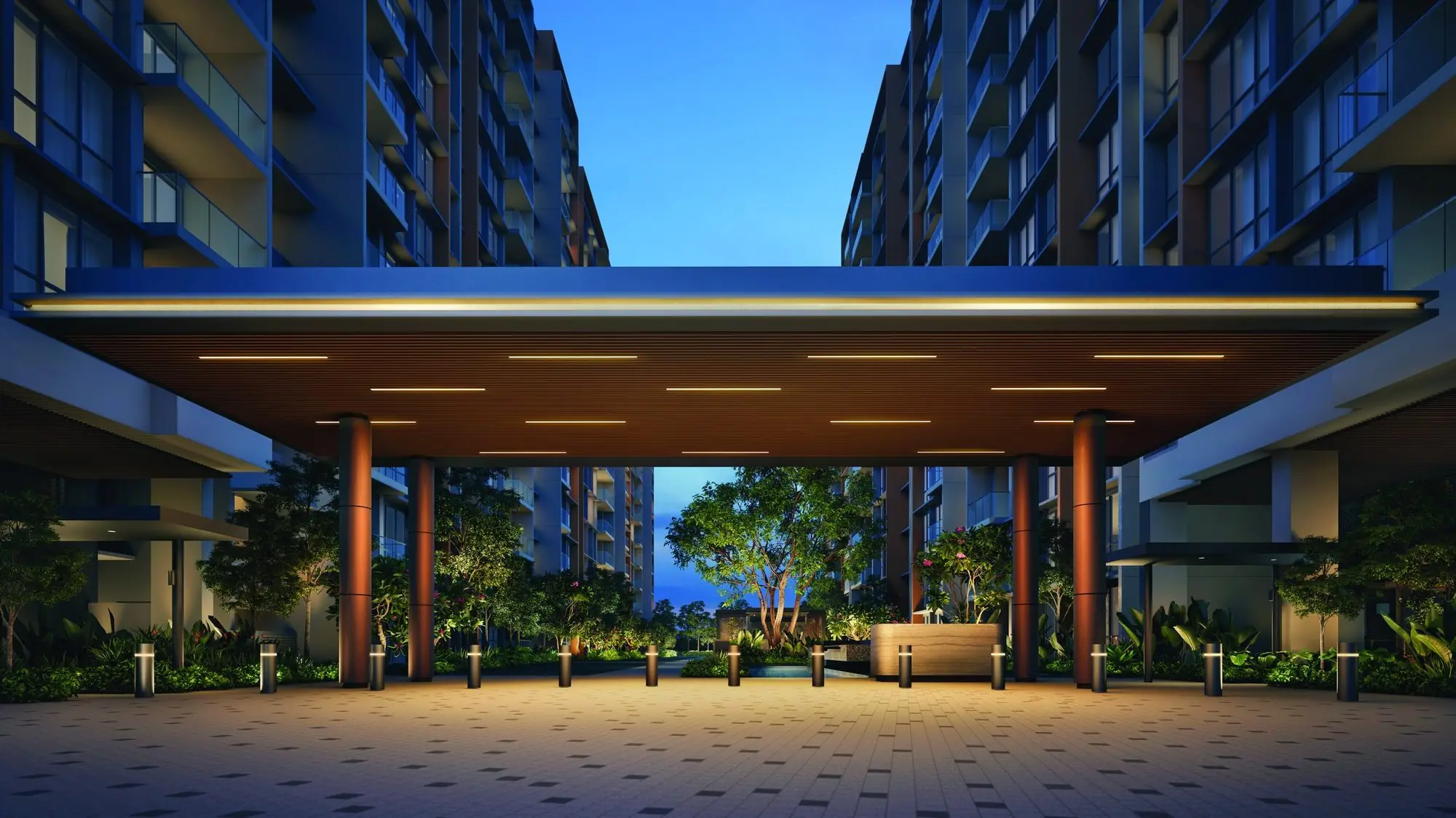
"Bounce unit" is agent shorthand for a unit at a sold-out project that comes back to the developer because the original buyer did not complete the purchase. Every EC produces a few. Rivelle, which sold out in April 2026, will almost certainly see one or two over the next year, and the only way to buy a new Rivelle unit before 2030 is to be the person the developer's marketing agency calls when it happens.
For the exact Rivelle booking procedure, see the bounce units page. This article explains why units bounce, what the developer does with them, what they tend to cost, and the practical steps that put you at the front of the queue. Nothing here is a promise that a unit will appear; it is a description of how the process works so you can decide whether registering is worth your time.
Why a buyer walks away
A buyer at an EC launch pays a booking fee of 5 percent of the price and receives an Option to Purchase. From the option date, the buyer has three weeks to exercise it by signing the Sale and Purchase Agreement and paying a further 15 percent (under the normal payment scheme). Units bounce at two points: before the option is exercised, and, less often, after.
Financing falls through. The most common reason. A buyer books on the strength of an in-principle approval, then discovers that the bank's final assessment under the 30 percent Mortgage Servicing Ratio or the 55 percent Total Debt Servicing Ratio gives a smaller loan than expected, often because of a car loan, a renovation loan, or variable income that the bank haircuts. Without the loan, the buyer cannot proceed and forfeits 25 percent of the booking fee (1.25 percent of the price) if they walk away before exercising.
Eligibility changes. Buyers must stay eligible from the application date onwards, and the developer may cancel a booking if further screening finds the household ineligible. A change in household composition (a divorce, a death, a family member dropping out of the application), an income reassessment that pushes the household over S$16,000, or a discovered private-property interest within the 30-month window can all disqualify the buyer.
Cold feet or a better alternative. Some buyers book two launches in a week and keep one. Others reconsider the quantum once the excitement of balloting fades. Forfeiting 1.25 percent of S$1.8 million is S$22,500, which is painful but not prohibitive.
Failure to pay after exercising. Rare, because once the Sale and Purchase Agreement is signed the developer may annul it and forfeit 5 percent of the purchase price, on top of other costs. It happens when a buyer's sale of their HDB flat collapses and they cannot fund the next progress payment.
What the developer does with a returned unit
The unit goes back into the developer's inventory. Under the EC rules, the developer continues to sell it through its appointed marketing agencies to eligible buyers, with the same first-timer and second-timer rules that applied at launch (the 70 percent first-timer quota applies only during the first month of sales, so by the time a unit bounces it is open to both).
The developer sets the price. A re-released unit is offered at the developer's prevailing price, and at a project that sold 92.5 percent over its launch weekend and the rest within a month, there is no reason to expect it below the original list for that stack and floor. Occasionally a developer will hold a bounced unit for a few weeks and release a small batch together; more often, it is sold within days to someone already on the agencies' lists.
There is no public announcement. Bounce units do not appear on a website. The marketing agencies are told, and the agencies call the buyers they know are ready.
What a bounce unit costs
Three things to budget for, beyond the price.
The same eligibility and financing. You must meet every EC condition at the time of booking: citizenship composition, income ceiling, no private property in 30 months, no more than two prior housing subsidies, and a valid family nucleus. You will need an in-principle approval from a bank that reflects the current MSR and TDSR rules, and ideally one that has already been stress-tested at the 4 percent floor rate.
The payment schedule from where the project is. If a unit bounces in 2027, the construction stages that have already been reached are payable on signing. Under the normal payment scheme, a buyer who comes in mid-construction pays the booking fee, then the 15 percent on exercise, then every progress payment that has already fallen due, all within the first few months. The deferred payment scheme may or may not still be offered on a re-released unit; ask.
Grants and levy. First-timer families may still qualify for the CPF Family Grant and Half-Housing Grant on a bounce unit; second-timers pay the resale levy if they previously bought a subsidised flat. The rules are the same as at launch and are set out in singaporeec.sg's guide to EC grants and the resale levy, which this site does not duplicate.
How to be first in line
The buyers who get bounce units are not the ones who registered first. They are the ones who could proceed the same day. Five things make the difference.
1. Be on a list the marketing agency actually uses. Rivelle's appointed marketing agencies each keep their own list. This site's waitlist is the appointed agency's list for buyers who came through here. Registering is free and takes two minutes.
2. Say exactly what you want. A registration that says "any 4-bedroom under S$2.2 million, prefer blocks 59 to 65, ready now" is actionable. "Interested in Rivelle" is not. The form asks for unit types, budget and timeline for this reason.
3. Have financing ready. An in-principle approval from a bank, dated within the last month, is the single biggest signal that you can proceed. Banks will issue one before you have a unit. Renew it when it lapses.
4. Confirm your eligibility now, not later. Check the citizenship, income, private-property and subsidy rules against your household today. The eligibility guide on singaporeec.sg has worked examples. If you are a second-timer, know your resale levy figure.
5. Answer the phone. A re-released unit at a sold-out project can be gone in a day. If the agency cannot reach you, it moves to the next name.
Is it worth registering?
Honestly: bounce units are rare, and for a 572-unit project that sold out within a month, the realistic expectation is a handful over two years, and not necessarily in the type you want. If you need a home in 2026 or 2027, the sensible plan is to register and, in parallel, look seriously at the ECs that are launching now. The other EC launches module on this page lists them, drawn from singaporeec.sg.
If you can wait, and specifically want Rivelle, registering costs nothing and gives you a real chance at the one route to a new unit before the resale window opens in 2035.
After a bounce unit: the same timeline as everyone else
A buyer of a bounce unit joins the same timeline as the launch buyers: TOP expected by 30 June 2030, a five-year minimum occupation period from TOP, and privatisation at year ten. The timeline article sets out each stage. The only difference is that the bounce-unit buyer has had a shorter wait for the keys.